
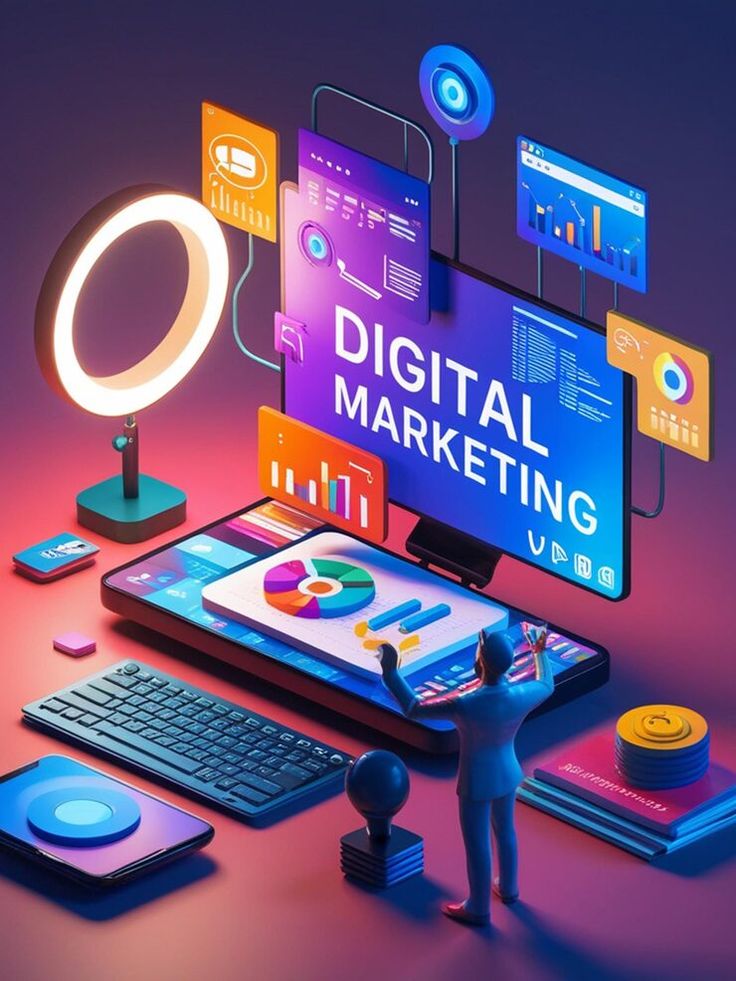
The digital landscape is evolving faster than ever, transforming how businesses connect with customers and promote their products and services. The future of digital marketing is being shaped by artificial intelligence, automation, data-driven strategies, and changing consumer behavior. As technology advances and consumer expectations continue to rise, digital marketing has become an essential tool for businesses seeking sustainable growth and competitive advantage.
From social media and search engines to artificial intelligence and marketing automation, digital marketing offers countless opportunities to reach the right audience at the right time. Companies that embrace modern marketing strategies can improve brand awareness, generate quality leads, and increase revenue in an increasingly competitive marketplace.
In this blog, we will explore the future of digital marketing, key trends shaping the industry, and strategies businesses can use to achieve long-term success.
What is Digital Marketing?
Digital marketing involves leveraging online platforms and digital technologies to promote brands, products, and services while connecting with target audiences more effectively.
It encompasses various marketing methods, including search engine optimization (SEO), social media marketing (SMM), email marketing, content marketing, search engine marketing (SEM), and pay-per-click (PPC) advertising.
Unlike traditional marketing, digital marketing allows businesses to engage directly with their target audience while measuring campaign performance in real time.
Why Digital Marketing Matters
Expanding Online Audience
With a global online audience of billions, digital marketing provides businesses with the opportunity to reach potential customers across different regions and markets without geographical limitations.
Cost-Effective Promotion
Digital marketing delivers a more affordable and measurable approach to advertising compared to traditional marketing methods, enabling businesses of any size to maximize their marketing budget and compete in the marketplace.
Data-Driven Decision Making
Digital marketing provides valuable insights into customer behavior, campaign performance, and market trends. These valuable insights enable businesses to refine their marketing strategies, improve campaign performance, and achieve better overall results.
Stronger Customer Relationships
Through personalized communication and engaging content, businesses can build trust and long-lasting relationships with their customers.
Emerging Trends in Digital Marketing
Artificial Intelligence and Automation
Artificial intelligence is revolutionizing the way businesses approach marketing. The future of digital marketing is being transformed by AI-powered tools that analyze customer behavior, automate repetitive tasks, personalize content, and improve campaign performance.
Benefits include:
- Faster data analysis
- Personalized customer experiences
- Improved customer support through chatbots
- Better marketing efficiency
- Enhanced decision-making
As AI technology continues to evolve, businesses that adopt intelligent marketing solutions will gain a significant competitive advantage.
Video Marketing Dominance
Video marketing has emerged as one of the most effective forms of digital communication
Popular video formats include:
- Short-form videos
- Product demonstrations
- Educational tutorials
- Live streaming
- Customer testimonials
Businesses that invest in video marketing often experience higher engagement, stronger brand awareness, and increased conversion rates.
Voice Search Optimization
The growing popularity of voice assistants has changed how consumers search for information online.
To prepare for voice search, businesses should:
- Use conversational keywords
- Create FAQ pages
- Optimize for local searches
- Improve website speed
- Focus on mobile-friendly design
Voice search optimization can help businesses reach users who prefer hands-free search experiences.
Personalization and Customer Experience
Today’s consumers expect brands to understand their needs, preferences, and behaviors, delivering personalized experiences that are relevant, engaging, and valuable.
Personalization strategies include:
- Customized email campaigns
- Product recommendations
- Personalized website content
- Targeted advertisements
- Dynamic content experiences
Businesses that prioritize personalization often achieve higher customer satisfaction and stronger conversion rates.
Essential Digital Marketing Strategies
Search Engine Optimization (SEO)
SEO remains one of the most effective methods for generating long-term organic traffic.
A successful SEO strategy includes:
- Keyword research
- High-quality content creation
- Technical optimization
- Mobile responsiveness
- Link building
- User experience improvements
Strong SEO practices help businesses improve visibility and attract potential customers actively searching for relevant solutions.
Content Marketing
Content marketing focuses on delivering valuable information that educates, informs, and engages audiences.
Effective content types include:
- Blog articles
- Guides and tutorials
- Infographics
- Case studies
- Videos
- Podcasts
Consistent content creation establishes authority and helps build trust with potential customers
Social Media Marketing
Social media platforms provide businesses with powerful opportunities to connect with audiences and strengthen brand presence.
Benefits include:
- Increased brand awareness
- Customer engagement
- Community building
- Lead generation
- Website traffic growth
Businesses should focus on creating authentic and engaging content that encourages interaction and sharing.
Email Marketing
Among all digital marketing channels, email marketing continues to deliver strong engagement and return on investment, and the future of digital marketing will rely on its ability to build personalized customer relationships and drive business growth.
Best practices include:
- Audience segmentation
- Personalized messaging
- Mobile optimization
- Clear calls-to-action
- Automated workflows
A well-planned email strategy can nurture leads and improve customer retention.
Common Digital Marketing Challenges
Increasing Competition
As more businesses invest in online marketing, competition continues to grow across digital channels.
Changing Algorithms
Search engines and social media platforms frequently update their algorithms, requiring marketers to adapt their strategies.
Data Privacy Concerns
Businesses must comply with privacy regulations and maintain transparency when collecting customer data.
Content Saturation
Creating unique and valuable content is becoming more challenging as digital platforms become increasingly crowded.
Tips for Digital Marketing Success
Know Your Audience
Understanding customer needs, interests, and behaviors allows businesses to create more relevant marketing campaigns.
Invest in Quality Content
High-quality content attracts visitors, builds trust, and supports long-term growth.
Focus on Mobile Users
With mobile devices accounting for a large share of internet usage, mobile optimization is essential.
Monitor Performance
Regularly analyze campaign metrics to identify strengths, weaknesses, and opportunities for improvement.
Stay Updated
Digital marketing trends evolve rapidly. Businesses should continuously learn and adapt to remain competitive.
Conclusion
By implementing effective strategies, staying informed about industry trends, and focusing on customer needs, businesses can build a strong online presence and achieve sustainable success in the digital era.
author: romyroy